
Childhood exercise has a protective effect on health later in life.
While active childhood reduces obesity ( Zwaargewichten) in the short term, long term benefits might even be more crucial. Recent studies show, that the more exercise children had during adolescence, the more likely they were to be successful professionally. The reason for this is, that fitness at a young age is directly related to the developing brain, which does not complete its formation until one’s 20s.
In addition, adolescents who regular exercise, are more motivated to exercise as adults.
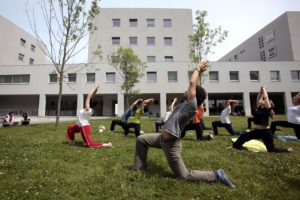 2 in 3 Portuguese are endangering their health by not taking enough exercise, leading to serious health conditions, like heart disease, diabetes, cancers (breast and bowel), depression and dementia.
Walking for 10 – 20 minutes at a brisk pace every day (150 minutes a week is recommended), not just increases fitness and improves mood, but also reduces the risk of early death by 15%, according to the World Health Organization.
Walking requires no special skills or equipment and is acceptable for most people.
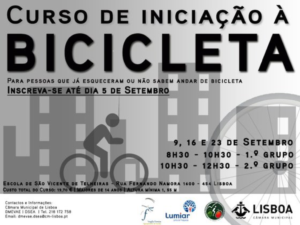 Cycling is a good alternative to using the car. It not only reduces traffic congestion but also benefits the environment and health. Regular cycling ( 45 km a week) cuts the risk of death from any cause by 40% and the incidence of heart disease and cancer by 45%.
But is cycling a realistic option in Lisbon, known as the city of seven hills?
The Lisboa Horizontal project calculated, that 65% (nearly 700 km) of its streets have less than 4% inclination and hence accessible by bike.
In June EMEL, the city’s transport body, introduced 100 public hire bikes – two-thirds of them electric –and 10 docking stations in the Parque das Nações neighborhood.
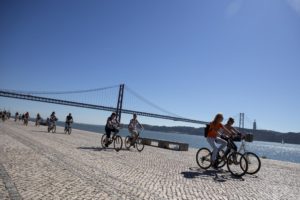 This number is to be extended to 1400 bikes – 950 electric ones to cope with the hilly parts –being installed in the flatter parts of Lisbon – the Plateau area, the touristic Baixa and along the waterfront of the Tagus river.
The biggest problem, however, isn’t hills but the prevailing car culture. Lisbon takes first place in all EU capitals when it comes to car use.
Moreover, Portuguese parking is incredibly selfish and vehicles regularly block cycle tracts, jeopardizing safe cycling.
Change is not easy for everyone to swallow. Last week local residents, in the Alvalade and Avenidas Novas neighborhoods, complained about losing parking places, forcing EMEL to remove 15 brand-new docking stations from the area.
A luta continua – the fight goes on!
BOM FIM DE SEMANA
 These friends – that now had become creditors – demanded strict measures, that were enthusiastically implemented by the country’s then conservative government. It started raining austerities for many years and the people suffered.
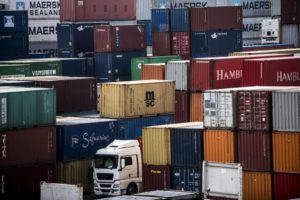 And it worked. Two years after taking power the government is showing an economic growth of 2.5% – the strongest since the beginning of the recession – and a reduction of the deficit by half, lower than ever. Meanwhile, foreign investment jumped 13%, unemployment dropped below 10% and 17 billion (65%) of the loan from the IMF is repaid.
 ‘These numbers are shocking’, says Alípio Ribeiro, an attorney from the Criminal Investigation Department and confirm what he already thought: ‘there is a legal system for whites and a legal system for blacks’.
 Celso Manata, head of DGPJ, however, rejects the idea that the legal system is discriminatory. He admits that there is an over-representation of blacks in Portuguese prisons, but believes that ‘this is caused by the poor socio-economic circumstances of black people, who therefore are more likely to commit a crime’.
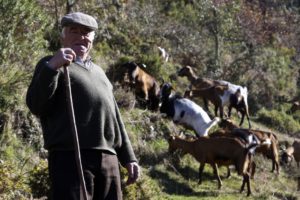 The ‘typical’ Portuguese doesn’t exist in a country that has been occupied by a great number of civilizations – Phoenicians, Romans, Visigoths, Celts, Swabians, and Arabs.
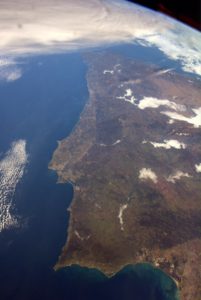 The national territory can – according to the Ministry of Environment – roughly be divided into:
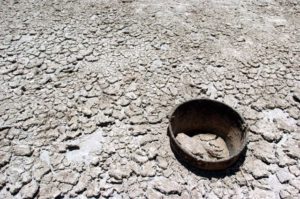 July turned out to be one of the driest months in the past 17 years. Water levels in dams and basins have dropped substantially.
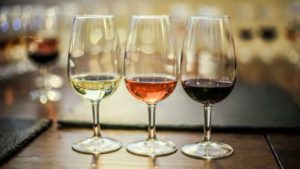 Although water is scarce, wine is not!
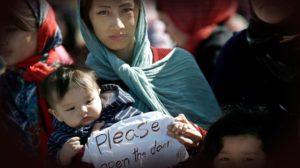 In the meantime, he has been staying in Portugal for over a year, and despite the fact that pre-selection took place in Greece, he’s still waiting for his residence permit.
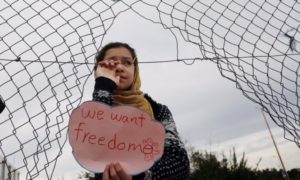 Moreover, they do not find the conditions they hoped for and are distributed across the countryside, while most of them have an urban background. In addition, asylum procedures are very slow, there are problems with the recognition of diplomas and there is a lack of Arabic-speaking interpreters.
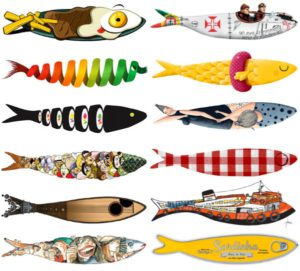 ‘Dat zal niet alleen een hele generatie vissers werkeloos maken maar ook de Portugese cultuur en eetgewoonten ingrijpend veranderen.
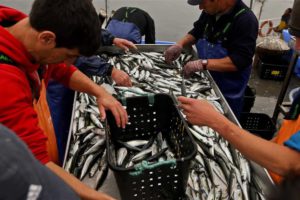 Verleden jaar werd door de Portugese vissersvloot – volgens gegevens van het Nationaal Bureau voor de Statistiek – bijna 200.000 ton vis uit zee gehaald, waarvan 14.000 ton sardines.
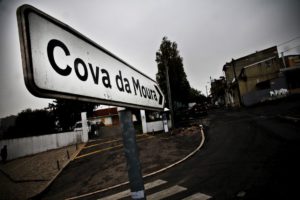 Het Openbaar Ministerie heeft – na 2 jaar onderzoek – 18 politieagenten beschuldigd van raciaal geweld, ernstig letsel, marteling, valsheid in geschrifte en ontvoering van 6 jonge Afro-Portugezen in Cova de Moura, een van de oudste en grootste achterstandswijken van Lissabon, met 7000 inwoners, de meeste afkomstig uit Kaapverdië.
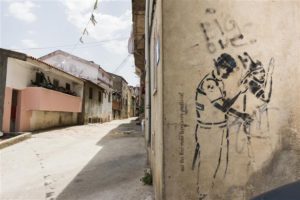 Als ze – na voorgeleid te zijn aan de onderzoeksrechter in Sintra – bij gebrek aan bewijs vrij komen, doen ze aangifte van marteling en racistisch geweld. Intern onderzoek bij de politie levert daarvoor onvoldoende aanwijzingen op en twee agenten worden licht gestraft – een wordt overgeplaatst en de ander 6 maanden geschorst. De overige blijven gewoon dienst doen in de wijk.
 ‘Institutioneel racisme wordt in stand gehouden door een van de grootste leugens die we onszelf voorhouden, namelijk dat Portugal in het – koloniale – verleden amper racistisch geweest is’, zegt Joana Mortágua, parlementslid van het Links Blok. ‘Dat belemmert integratie.’ [
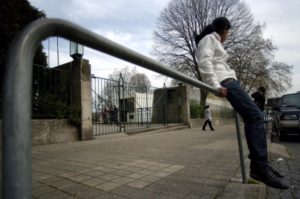 Kon ze maar een manier bedenken om niet meer naar die rotschool te hoeven.
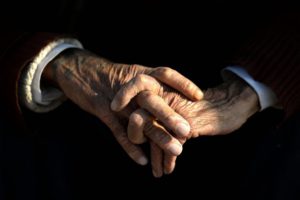
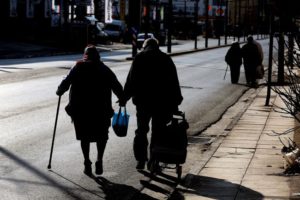 ‘Er zijn bejaarden in Portugal, die absoluut pervers behandeld worden’, zegt José de Faria Costa, ombudsman bij de gratis telefonische hulplijn voor ouderen ( Linha do Idoso). ‘Sommige kinderen gaan zo ver, dat ze – tegen de tijd dat het zomer wordt – stoppen met het geven van medicijnen aan hun ouders, waardoor die met spoed moeten worden opgenomen. Dan kunnen de kinderen rustig op vakantie’.