Unaffordable
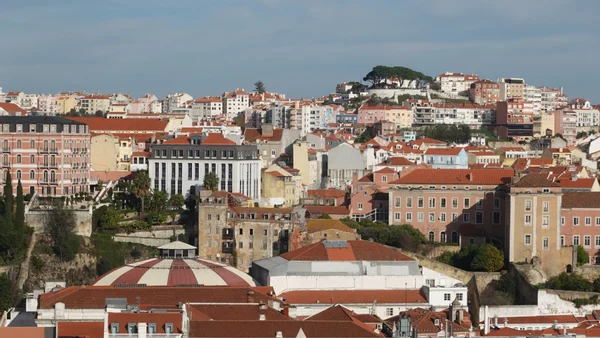
Residents should not become victims of speculation and mass tourism
Lisbon’s housing crisis has escalated into a political nightmare. House prices as well as rents for new leases have more than doubled over the last ten years. And prices are still climbing. Idealista – a real estate marketplace and the largest property portal on the Iberian Peninsula – put the average sale price in the capital at more than 6100 euros per m2, with ongoing rises in every part of the city.
Rents from about 15 euros per m2 in outer districts (e.g. Santa Clara) up to double in the city centre ( e.g. Santo António). Essential workers, like teachers and nurses, are being pushed out of the centres of the major European capitals, with Lisbon among the most extreme cases. In a country, where the minimum wage is less than 1,000 euros, a monthly rent of 1200 euros for an apartment represents an unaffordable burden for most people.
Causes are many. Conversion of apartments into Airbnb, demand for property from foreign residents – including that linked to golden visas – fast rising rents, and the displacement of residents from the city centres, alongside a structural housing shortage. Current construction meets just over a third of demand and public housing offers little buffer, since social housing makes up only 2% of the country’s stock; one of the lowest in Europe! A Banco de Portugal study argues that social housing reduces demand pressure and helps moderate rents.
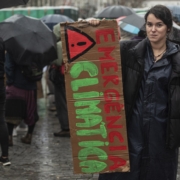
The frustration is growing and visible on the streets. In October, tens of thousands marched through Central Lisbon, adding pressure on the centre-right government, whilst thousands rallied outside parliament on October 27 against the government proposals and brutal police action against activists.
This month, housing activists set up tents in the heart of Lisbon and Porto and are refusing to go away until their demands are met. For residents’ associations, the crisis is not only reflected in rising rents, but also in a decline in the resident population and the transformation of traditional neighbourhoods into areas increasingly geared toward visitors.
The government is of the opinion that progress takes time, and blames the previous Socialist government for rent and price rises between 2015 and 2023.
Critics are not convinced and emphasize that the housing package of the government failed to curb an 18% rise in house prices in Lisbon this year.
Enjoy your day Tenha um bom dia (pic.Pexels)