
Trade routes disappear but words remain.
Over the centuries, Portuguese explorers, traders, and colonists have left marks on words used around the world.
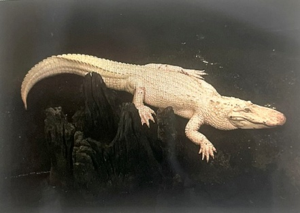
Take the word Albino that comes from the Portuguese word albino (‘whitish’). Portuguese explorers coined this term in the 17th-18th centuries to describe persons with an unusually white skin they encountered in Africa. The word spread from Portuguese into Spanish, English and other languages to describe the genetic condition of albinism – the lack of melanin pigmentation in skin, hair, and eyes – in people or animals.
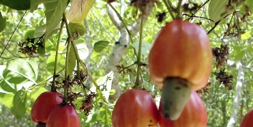
Cashew comes from the Portuguese caju, which itself was borrowed from the Tupi (the indigenous Brazilian language) word ‘acajú’, referring to the cashew tree and nuts. The tree itself was later introduced by the Portuguese to parts of Africa and Asia.

Caste derives from the Portuguese word casta. Meaning ‘lineage, race or breed’. Portuguese traders used casta in the 16thy century to describe the social divisions they observed in India (particularly in the Hindu community), applying the term already in use for breeds/lineages of animals. The word caste, became the standard term for describing India’s hereditary social hierarchy.

Cobra comes directly from the Portuguese word cobra, which is derived from the Latin ‘colubra’ (meaning snake). The full Portuguese term is actually cobra the capelo – literally ‘snake with a hood’- referring to the spread of the snake’s neck ribs into a broad hood when threatened. The Portuguese encountered these snakes in India and other parts of Asia during their colonial expansions.
Coconut doesn’t sound very exotic until you know where it comes from. In the past Portuguese sailors called it coco, a word for ‘skull’. Once you notice the three dark holes in the shell, it is difficult to ignore.
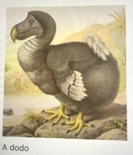
The word Dodo is commonly traced to Portuguese doido, meaning ‘fool, silly or stupid’. Portuguese sailors, who were amongst the first Europeans to encounter the flightless bird on the island of Mauritius in the early 1500s, reportedly gave it its name because the dodo showed no fear of humans and seemed clumsy or foolish – it had evolved with no natural predators, so it’s didn’t flee.

And what about the word Fetish? It derives from the Portugues word feitiço (meaning spell) which traders used to describe sacred or symbolic objects – believed to possess spiritual or magical powers – they encountered in West Africa during the Age of Discovery in the 15th century.
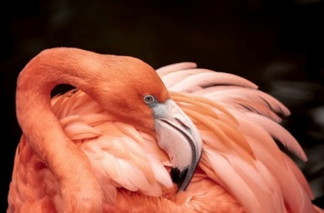
Flamingo comes from the Portuguese flamengo, which traces back to the Provençal word ‘flamenc’ which meant both ‘flame-colored’ and ‘Fleming’ ( a person from Flanders). Flemish people were stereotyped as having ruddy or fair, flame-like complexions, so the word played on both meanings at once. Portuguese sailors encountering the bright pink birds in Africa and the Americas, adopted this name because of their flame-like colouring.
Many people associate Marmalade with Britain but the word comes from the Portuguese word marmelada, a preserve originally made from ‘marmelo’ (quince). The name survived, even as the recipe evolved over time.

Molasses has a similar story. It comes from melaço (‘honey-sweet’) and carried along the trade routes that moved sugar, spices, and slaves along the Atlantic.
In several languages, the word Oranges points back to Portugal.
In Greek ‘portokali’, in Turkish ‘portakal’ and in Arab ‘burtuqāl’.
When oranges began to circulate widely, they were associated with Portuguese traders. For many people the orange fruit was quite simply called ‘Portugal.’

Portuguese tanque means ‘reservoir’, used for water storage. Portuguese colonizers in India used tanque (cistern) to describe large water reservoirs. This usage was picked up by English speakers in colonial India, eventually entering English as Tank, referring to a container for holding liquid.

Even further away, in Japan, there is Tempura, introduced in the 16th century by Portuguese Jesuit missionaries who abstained from eating beef, pork and poultry during Catholic fasting days in each of the four seasons of the year. Instead, they ate fried vegetables and fish. This was the first contact of the Japanese with fried food. The name is probably derived from the Portuguese ‘tempero’ (act of seasoning, of adding spice to food).

And finally – as a closing remark – a word pointing to a remarkable phenomenon but without any connection to the Portuguese language whatsoever.
Nüshu – meaning ‘women’s script’ in Chinese – is the only exclusively female writing system in the world that emerged from the marginalisation of women in southern China, passing exclusively between mothers and daughters, and between sisters in Jiangyong, a remote mountainous region in the Hunan province.
Enjoy your week Aproveite a semana (pic Wiktionary)
.