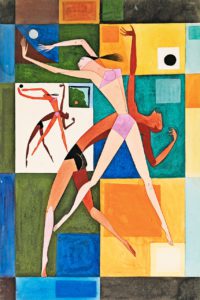
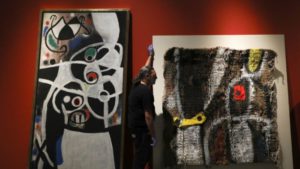
Collectie Joan MIRÓ

in

Lissabon

– Palácio da Ajuda –

vanaf 7 september 2017
CIDADE GLOBAL – GLOBAL CITY

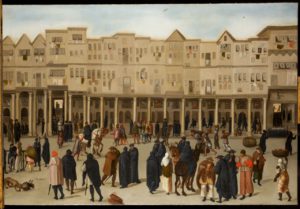
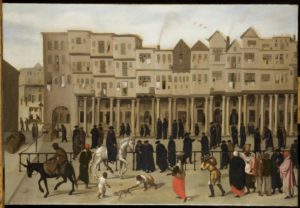
Lissabon in de 16e eeuw
Multiculturele hoofdstad van een handelsimperium in de Renaissance

Museu National de Arte Antiga ( MNAA), Lissabon

van 23 februari  tot  9 april
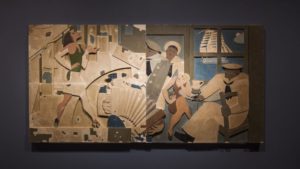
ALMADA NEGREIROS (1893-1972)

van 3 februari5 juni

GULBENKIAN museum, Lissabon

Modern zijn is niet de manier waarop je je kleedt, maar meer wie je bent
( Almada Negreiros)


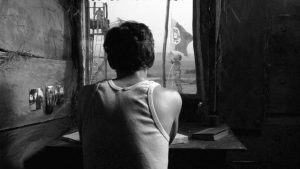
CARTAS DA GUERRA  – van Ivo Ferreira, 2016

(brieven uit de oorlog)

Saudades vanuit een uitzichtloze koloniale oorlog in Angola.

Gebaseerd op liefdesbrieven, die schrijver en militaire arts António Lobo Antunes in 1971 vanuit Angola naar zijn vrouw in Portugal schreef
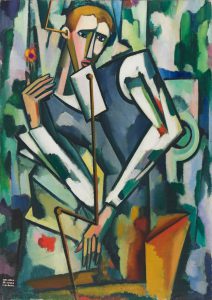
AMADEO DE SOUZA-CARDOSO

MUSEO DO CHIADO

12 januari – 26 februari  2017

“Ben ik een impressionist, kubist, futurist, abstractionist?  Van alles een beetje”  ( Amadeo de Souza)
Gulbenkian museum, Lissabon

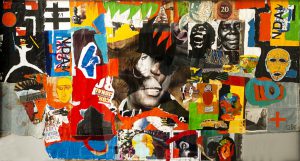
António Ole uit Angola nog tot 9 januari


Africans Rising
For Justice, Peace, and Dignity

We, the citizens and descendants of Africa, as part of the Africans Rising Movement, are outraged by the
centuries of oppression; we condemn the plunder of our natural and mineral resources and the suppression of
our fundamental human rights.

We are determined to foster an Africa-wide solidarity and unity of purpose of the Peoples of Africa to build the Future we want – a right to peace, social inclusion and shared prosperity.

On 23-24 August 2016, two hundred and seventy two representatives from civil society, trade unions, women, young people, men, people living with disabilities, parliamentarians, media organisations and faith-based groups, from across Africa and the African diaspora gathered in Arusha, Tanzania and committed to build a pan-African movement that recognises these rights and freedoms of our People.

THE CONFERENCE DECLARED THAT:

  1. Africa is a rich continent. That wealth belongs to all our People, not to a narrow political and economic
    elite. We need to fight for economic development that is just and embraces social inclusion and
    environmental care. We have a right to the ‘better life’ our governments have promised.
  2. Africans have a diverse, rich and powerful heritage that is important to heal ourselves and repair the
    damage done by neoliberalism to our humanity and environment. Being African, embracing the
    philosophy of Ubuntu should be a source of our pride.
  3. African Youth is a critical foundation for building the success in our continent and must play a central
    role in building Africans Rising.
  4. Africa’s Diaspora whether displaced through slavery and colonialism or part of modern-day migration is part of Africa’s history and future. They are a reservoir of skills, resources, and passion that must be harnessed and integrated into our movement.
  5. We are committed to a decentralized, citizen-owned future that will build support and solidarity for local struggles, empower local leadership and immerse our activists in grassroots work of building social movements from below and beyond borders.
  6. We are committed to building a citizen’s movement that is accountable to the constituencies we represent and enforcing the highest standards of ethical behavior.

THEREFORE, WE RESOLVE THAT OUR WORK SHOULD BUILD A LOCAL, NATIONAL, CONTINENTAL AND GLOBAL CAMPAIGN THAT IS:
a. Expanding space for civic and political action
b. Fighting for women’s rights and freedoms across society
c. Focussing our struggles on the right to Equity and Dignity
d. Demanding good governance as we fight corruption and impunity
e. Demanding climate and environmental justice
CALL ON OUR PEOPLE AND ACTIVISTS TO:
Join this Africans Rising Movement and mobilize our people around this shared vision; organize and connect
local struggles under this umbrella; galvanize solidarity with all African struggles. This movement is committed to peace and non-violent action. We assert our inherent rights as Africans and invite our governments, leaders, other stakeholders and institutions to join us in pursuing the Future We Want to leave our future generations. We commit to mobilizing our people in Africa to launch this Movement on the 25th May 2017, when we deepen the meaning of African Liberation Day and call on all sectors of our society to mobilize and organize events in every African country that will build the momentum towards the genuine liberation of our beautiful continent.
We commit to mobilizing our people in Africa to launch this Movement on the 25th of May 2017, when we deepen the meaning of African Liberation Day and call on all sectors of our society to mobilize and organize events in every African country that will build the momentum towards the genuine liberation of our beautiful continent.

A Memory in three Acts


Van de Mozambikaanse regisseur Inadelso Cossa.

Intrigerende getuigenissen over de onafhankelijkheidsstrijd in Mozambique.


IDFA.nl

We waren in Wassenaar net verhuisd naar een vrijstaande woning op een groot landgoed – dat De Pauw heette, hoewel er nooit ergens een pauw te bekennen was toen mijn vader op een zonnige winternamiddag zomaar voor ons stond met een nog heel jong hondje. ‘Voor jullie, zei hij’. ‘Pak maar aan, het is een jongetje’. Pff, hoe moest je zo’n klein beestje aanpakken? Stel je voor dat hij doormidden brak? Maar mijn zus Lies, die al zeven was, pakte het hondje gewoon beet en zette het op de grond. Nu kon ik hem pas echt goed zien. ‘Het is geen rashond maar een bastaard’, zei mijn vader nog. ‘Dat betekent dat we niet goed weten wie zijn ouders zijn’. Ik ging van schrik nog beter kijken. Hij was wit met zwarte vlekken en zijn oortjes stonden rechtop evenals zijn staart. Je kon zo in zijn poepert kijken! Toen ik hem heel voorzichtig aanraakte begon hij meteen mijn hand te likken. ‘Mag ik ook eens’, zei mijn zus en krabbelde best wel hard in zijn nek, waarna hij een hoog, klagelijk geluidje produceerde. ‘Voorzichtig’, zei vader, ‘hij moet nog  wennen’. ‘Misschien heeft hij honger’, zei mijn zus en liep met hem de keuken in. Daar liet hij meteen een dikke plas op de vloer. ‘Neem hem maar gauw mee naar buiten, misschien moet hij ook nog een poep doen’, zei vader. We renden gedrieën naar buiten en konden ons geluk niet op. Hoewel het nog koud was en het s’ nachts al een beetje gevroren had, liepen mijn zus en ik de volgende ochtend al in alle vroegte met het hondje in het park. We hielden samen zijn riem vast. Dat was nog best moeilijk omdat hij steeds wilde rennen en ons het hele park rond sleurde. Maar niks poepen of plassen. ‘Laten we hem maar even loslaten’, stelde mijn zus voor, ‘dan gaat hij misschien wel iets doen’. ‘Hij heeft vanmorgen ook nog helemaal niets gedronken’, zei ik, ‘en heeft vast dorst’. ‘Dan lopen we langs de vijver terug naar huis en kan hij daar drinken’, stelde Lies voor.  We renden naar de grote vijver, die midden in het park lag. Ons hondje natuurlijk voorop en wij er huppelend achteraan. Toen we bij de vijver waren aangekomen bleek dat daar een héél dun laagje ijs op lag, maar dat had ons hondje natuurlijk nog nooit gezien en met een flinke sprong zakte hij door het ijs en verdween in het koude zwarte water. Mijn hart stond stil en ik schreeuwde heel hard ‘Oh, nee’. Tijd voor tranen was er niet. Mijn zus probeerde het hondje te grijpen maar kon er niet bij. Plotseling werden we allebei hardhandig naar achteren getrokken en viste een lange arm het hondje nog net op tijd uit het water. Toen we omkeken zagen we dat het vader was.