
Politics
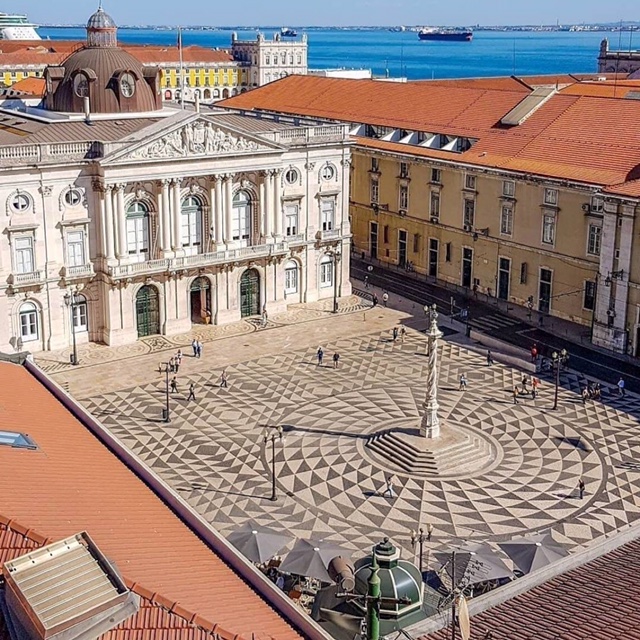
Increase in number of immigrants from other Portuguese-speaking countries

At the inauguration of his centre-right government in May 2024, Portugal’s prime minister Luis Montenegro, promised that all Portuguese citizens would have a family doctor by the end of 2025, but this promise seems increasingly out of reach. This year there were over 1,6 million patients without a GP, 60,000 more than two years ago.
In June, the National Statistics Institute (INE) revised the Portuguese population figure upwards. There are in fact 11,4 million people in the country, of whom 14% (1,6 million) are foreign residents; more than a third of them Brazilians. Particularly the shift in recent years has been significant: between 2021 and 2025, the number of foreign residents doubled, with an crease of 850,000.
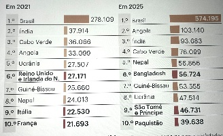
The data also show that the growth of the South Asian population is slowing down and the Indian community was overtaken in 2025 by the Angolan community – which now outnumbers 100,000 citizens. The growth in the number of citizens from other Portuguese-speaking countries (PALOP) has been significant over the past five years.
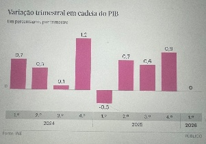
As had already been the case in 2025, the Portuguese economy began 2026 at a considerably slower pace than seen in the previous quarters. In the first three months of this year, growth was virtually zero, with the positive contribution from domestic demand ( increase in investment) being offset by a negative contribution from external trade (increase in imports)

The government’s 2% growth target is therefore becoming more difficult to achieve, requiring an average quarterly growth of around 0.5% until the end of the year. It will be necessary to regain market share in exports and hope that the inflation does not spiral out of control and the European Central Bank does not raise interest rates any further.

House prices continue to rise at a much faster rate than the European Union average. The House Price Index rose by 17.6% in 2025, compared with 9.1% in 2024.The EU average last year stood at 5.5% (3.3% in 2024). And growth in the first half of 2026 remains strong (17.8%), although slightly below the record high in the 4th quarter of last year( 18.9%).

The limited supply of housing (for purchase and rent) – despite an estimated 250,000 vacant properties – the shortage of new construction and the rise in demand from young people as well as foreigners, account for much of this.

The marking of secondary school exams – which determine entry to higher education – is under fire. There are 166,000 pupils and their families, as well as thousands of teachers, who now harbour doubts about how marks were being awarded. But there is more, such as the structural shortage of teachers and the ministry’s top-to-bottom reform in higher education

But there is also some good news in a country where educational qualifications are still not as high as should be: there has been a slight increase in the proportion of young people intending to apply to university. It helps that the entry requirements are less stringent this year – just one exam, rather than the two required last year.
Enjoy your holidays Aproveite as suas férias (pic Público/Lusa)