It’s like Lenin said: look for the persons who benefit and you will know.
Once upon a time, there was a friendly country, in the South of Europe bordering the Atlantic Ocean, that used to export cork, tinned sardines and cheap labor.
But back in 2008 things changed as a worldwide economic recession forced the country on its knees. No longer able to pay its government debt, it had to beg friends for help and borrowed a total of 76 billion from the IMF and the European Community.
 These friends – that now had become creditors – demanded strict measures, that were enthusiastically implemented by the country’s then conservative government. It started raining austerities for many years and the people suffered.
There were massive cuts in education, health services, and social spending. Salaries plummeted, poverty increased and unemployment skyrocketed to a record 17% in 2013.
But at the end of 2015, the sun broke through the dark clouds and a brand-new socialist government – with the support of more radical parties like the Left Bloc and the Communist Party – came to power. Never before had a coalition of the Democratic Left-ruled the country. Not even in 1975, when the Carnation Revolution re-established democracy.
The message of the new government was crystal clear. Stop austerity measures and increase demand. ‘By refunding income to the people in a moderate way, people get confidence and investment returns’, explains economy minister Manuel Caldeira Cabral.
The new leaders promised to raise the minimum wage, pensions, and social security and a wealth tax was introduced on property valued over 600.000 euro.
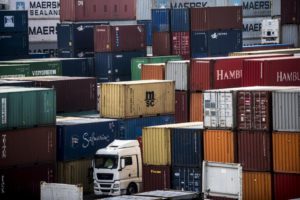 And it worked. Two years after taking power the government is showing an economic growth of 2.5% – the strongest since the beginning of the recession – and a reduction of the deficit by half, lower than ever. Meanwhile, foreign investment jumped 13%, unemployment dropped below 10% and 17 billion (65%) of the loan from the IMF is repaid.
In one year 155.000 new jobs were created – a record in twenty years. Tourism and industry – in particular footwear– are booming and export increases more than import.
In two years’ time, Portugal has not only won the European Football Championship and the Eurovision Song festival for the very first time, it also increased public investment, reduced the deficit, beheaded unemployment and sustained economic growth.
It looks like fairy tales do exist.
BOM FIM DE SEMANA
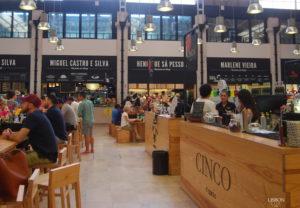 Het economisch herstel is zintuiglijk merkbaar in de stad. Overal zie en hoor je bouwactiviteiten, je voelt een nieuwe wind, ruikt de luchtverontreiniging op de Avenida da Liberdade en proeft in de talloze eettentjes – zoals op de Mercado da Ribeira, waar gerenommeerde chef-koks een betaalbare versie van hun ‘haute cuisine’ serveren – weer een boeket aan smaken.
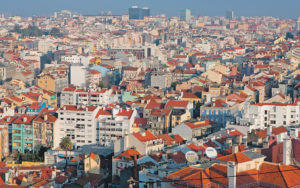 Maar er is ook een keerzijde. Grond- en huizenprijzen –zowel voor huur als koop – rijzen de pan uit, waardoor de binnenstad één groot appartementencomplex dreigt te worden, alleen nog betaalbaar voor de rijken. Dat zijn buitenlanders, die – door het Golden Visa programma – het recht krijgen om zich in Portugal te vestigen, als ze meer dan 500.000 euro voor een woning neertellen.
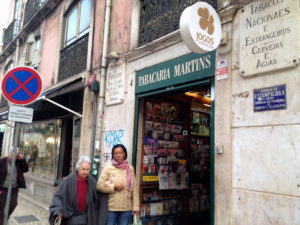 Karakteristieke buurtwinkeltjes en authentieke restaurantjes worden meer en meer opgeslokt door prijzige boetieks, dure hotels, fastfood restaurants, en internationale kledingketens, die meer voldoen aan de behoeftes van de blote-benen-toeristen dan aan die van de lokale bewoners. (