Worldwide there is a ‘silent majority’ in favour of action on climate change
The world is on fire and climate action very popular. So why is it not realised?
Research shows that the vast majority of people around the world want more to be done to fight the climate crisis but mistakenly assume their peers do not. Making concerned people aware their views are far from alone could unlock the change so urgently needed.
The data comes from a global survey – published in the journal Nature Climate Change – that interviewed people across 125 countries and found that 89% were of the opinion that their national government ‘should do more to fight global warming.’ People in China – the world’s biggest polluter – were among the most concerned.
It also asked people if they would ‘contribute 1% of their household income to fight global warming’. In almost all countries, people believed only a minority of their fellow citizens would be willing to contribute. In reality the opposite was true: more than 50% of citizens were willing to give 1% of their income, including Portugal, where eight out of ten Portugues prioritise the environment above the economy.

Further analysis of the data for the British newspaper The Guardian showed that public backing for climate action was as strong among the G20 member countries as in the rest of the world. These states, including the US, China, Saudi Arabia, the UK and Australia, are responsible for three-quarters of the global carbon emissions.

‘Worrying about climate change is something people are doing largely in privacy of their own minds – we are locked in a self-fulfilling ‘spiral of silence’, states prof Cynthia Frantz, at Oberlin College in the US.
A decades-long campaign of misinformation by the fossil fuel industry is a key reason the climate majority has been suppressed.

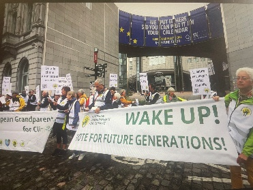
To unite the ‘silent majority’ and allow the collective voice to become more audible in the political arena, we should focus the climate debate more on intergenerational issues – such as legacy passed from grandparents to grandchildren – and less on individual contributions, says Anabela Carvalho, professor in the Department of Communication Sciences at the University of Minho.

But youngsters can also do their bit as shown in Sweden, where participant-led young planetary stewards perform paid summer jobs ‘inspiring hope for their future.’ Ideas come from the young people themselves and comprise projects such creating habitats (frog ponds) or a new stretch of hiking trail, building bird boxes and insect hotels, and running community workshops in local libraries.

‘I have a pretty pessimistic world view’, 18-year-ola Oona Verveld – one of the stewards – explains. ‘But through this initiative I feel I can contribute in ways that will have an impact. I don’t just watch climate change happening, I’m somehow active in improving it later on.’
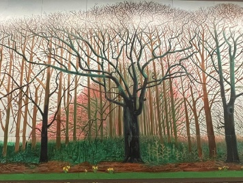
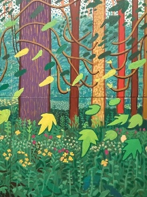
Enjoy your week Aproveite a semana (pic David Hockney, painter, † 2026)