Tag Archive for: increase

Steady increase in the number of wild boars in the country
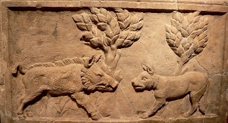
Javali (wild boar, wild swine or wild pig) has become one of the most controversial wild mammals in Portugal. Once mainly restricted in remote forested and mountainous areas, populations have rapidly expanded and are now present across much of the country.
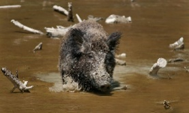
The wild boar is a pig native to much of Eurasia. The species is now one of the wides-ranging mammals in the world and has been assessed as least concern on the IUCN Red List due to its range, high numbers, and adaptability to a diversity of habitats.
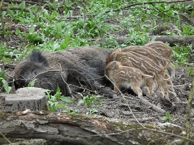
The species are divided in four regional groupings (Western, Eastern, Indian, and Indonesian). The wild boars live in matriarchal societies consisting of females and their young. Fully grown males are usually solitary outside the breeding season. The species has well developed canine teeth, which protrude from the mouths of adult males.
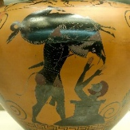
The wild boar has a long history of association with humans, having been the ancestor of domestic pig breeds as from 13,000 BCE in the Near East (Tigris Basin). The Portuguese word javali stems from the Arabic word ‘jabalii’ (meaning ountaineers’).There was also a separate domestication in China some 8,000 years ago.
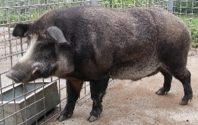
The English term ‘boar’ is mostly referred to wild males, but is also used to refer to domesticated, male breeding pigs. In domestic pigs most of their bodyweight is concentrated in the posterior, which is the opposite of wild boars, where most of the muscles are concentrated in the head and shoulders.
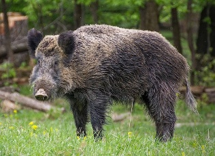
In the Mediterranean region, males average 50 kg in weight (females 45 kg). The animal’s head is very large, taking up to one-third of the body’s length, and well suited for digging. The head acts as a plough, while the powerful neck muscles allow to upturn considerable amounts of soil. The animal’s main predator in Europe is the wolf.
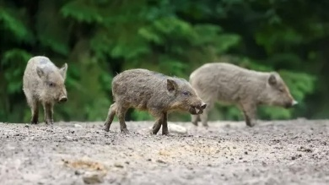
According to the European density map – produced by the international network ENETWILD with reference values from the European Wildlife Observatory (EOW) – the wild boar is, after the roe deer, the most widespread hoofed mammal in Europe, inhabiting a wide range of environments, from forests and scrubland to agricultural areas and high altitudes with harsh winters.
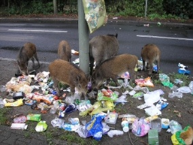
The EOW states that hunting data show a steady increase in the number of wild boars in Europe. This growth leads to concerns about damage to agriculture, traffic risks and the potential spread of infectious diseases such as African swine fever. Nowadays, Portugal is home to 400,000 wild boars with a clear increase (25%) over the past 10 years.

Happy reading                       Boa leitura                   (pic Wikip/Sapo)



Portugal, a country of strikes

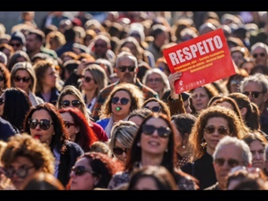
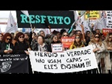
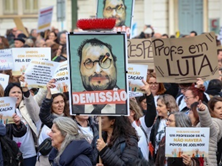
The first half of 2023 was marked by successive strikes covering numerous sectors. From train drivers to doctors and from teachers to journalists. Even police officers gathered to protest against the lack of their right to strike.

Discontent is high and workers ready to use their voice. Portuguese are of the opinion that life is generally going well but that their financial situation leaves much to be desired.

Looking at the figures from the Directorate-General for Employment and Labour Relations (DGERT), it is found that the number of strikes last year increased by 25% compared to 2021, being the highest since 2013 – at the time of the financial crisis. And in January this year, the number of strike notices almost quadrupled compared to the same month in 2022.

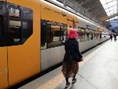
The year started with a strike by Comboios de Portugal (Portuguese Railways) for a pay rise to compensate for the loss of purchasing power and quickly spilled over to the other sectors of public transport. 

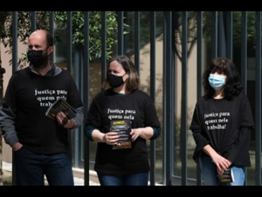
The 2023 judicial year opened with a strike in January, against the lack of staff, the freezing of promotions, and the degradation of justice that undermines the functioning of courts. It did not stop there, with more strikes in February and April. The effects of the strikes on the justice system are devastating with the postponement of thousands of hearings and trials in the courts.

Journalists are not left out of the fight, with TV1 going on strike in March for raises in payment, an increase in meal allowance, and 25 days of vacation. Employees from the news agency Lusa followed in April and announced new strikes in June and August and also RTP (Radio and Television Portugal) unions threaten to take action in the absence of their ‘decent’ requests.

In February, technical and administrative staff from three hospitals in Lisbon united, to claim a collective labour agreement in all State-run hospitals. A strike in March was suspended after the hospitals finally gave in to their demands.


Nurses started paralyzing services in February. There were massive demonstrations countrywide and even the private sector joined in for better pay and working conditions.

As for doctors, a national strike of two days took place in March over the ‘lack of measures’ in the SNS (National Health Service) and the ‘unacceptable proposal of the Ministry on salary scales. New strikes have been announced in August. 

For teachers, the second term started in January with strikes against the government’s proposals for the revision of the recruitment regime and for better career perspectives. 45,000 teachers signed a petition. They warned that the protest would not stop ‘any time soon’, and they were right.

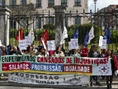
There were massive demonstrations and strikes all over the country. Fenprof (Federation of Teachers) called for convergence between unions in defense of teachers’ rights and public schools.

Negotiations with the government are deadlocked and strikes are back and forth in the north, center, and south of the country. Developments that do not bode well for the coming school year. Between pressure, threats, and hopes, the teachers’ struggle reached Brussels, where they try to find the answers they do not have in Portugal.


Enjoy your week                   Approveite a semana               (pic Sapo)