Presidency
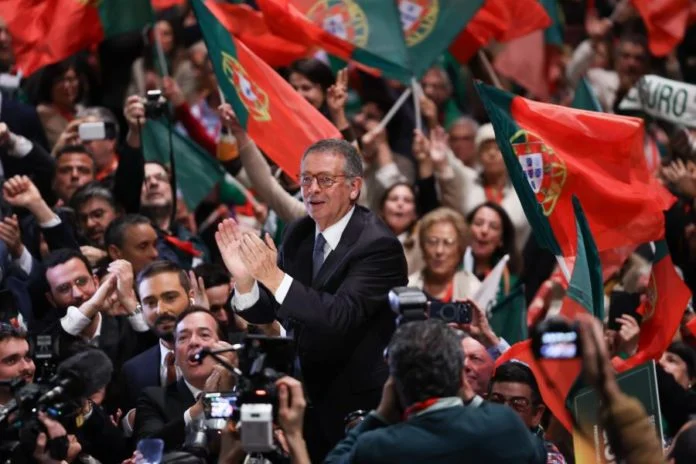
‘We need a country that is prepared, not surprised’ (President elect)
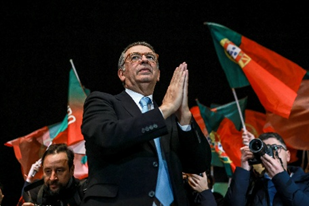
In spite of the unprecedented floods and landslides as a result of the last two weeks’ train of storms, people turned out in surprising numbers for the presidential elections last Sunday. The former Socialist leader António José Seguro got 67% of the vote – almost twice as many as his rival, Chega leader and far-right populist André Ventura – and more than any other president before him.
Even in areas where voting has been delayed due to the bad weather and lack of conditions to open polling stations – comprising approximately 0.3% of the electorate – Seguro was the most voted candidate.
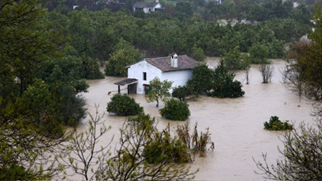
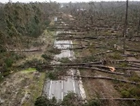
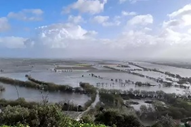
In less than three weeks, mainland Portugal has been raided by six storms – Ingrid, Joseph, Chandra, Kristin, Leonardo and Marta – which were accompanied by heavy rainfall. The damage caused by the extreme weather already amounts to more than 4 billion euros, and so far 15 people have lost their lives during this national calamity.
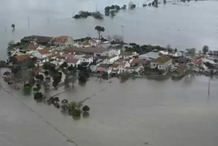
But it’s not over yet. The continuing rain and rising river levels – especially of the Tejo, Douro and Mondego – are leading to extensive flooding and landslides, as a result of the completely saturated soils. These extreme events will occur with greater violence because of the climate crisis, which leads to warmer atmospheres and oceans.
A recent report of the McKinsey Global Institute concluded that a quarter of the country is currently exposed to climate risks – floods, forest fires and drought – and that the government will need to invest double the amount it currently spends on climate resilience.
Although Portugal’s presidency is a largely ceremonial role, it holds some key powers, including the ability to dissolve parliament under certain circumstances, to call snap elections, and to veto legislation.

The longstanding moderate socialist Seguro – who paradoxically has won the support of mainstream politicians on the right wanting to halt the rising populist tide – assured the Portuguese, however, that he has no interest in changing he constitution, in increasing the president’s powers, nor in dissolving the current minority government.
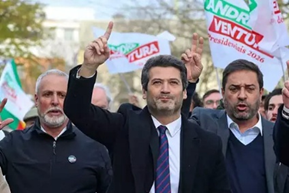
Last May, the far-right Chega party became the second largest parliamentary force, overtaking the Socialists and landing behind the centre-right ruling alliance, which garnered 31.2%.
‘With more than 32% of the vote this month, Chega managed to exceed the government’s share of the vote, reinforcing Ventura’s project to cannibalise the rightwing space in the country.
Keep your feet dry Mantenha os pés secos (pic Público/Sapo)