Dogs have owners, cats have staff
Besides Fado, Football and Fatima, Portugal is well-known for its native dogs.
Certainly no lap dogs, but rather working dogs with specific roles in hunting, guarding or herding livestock.
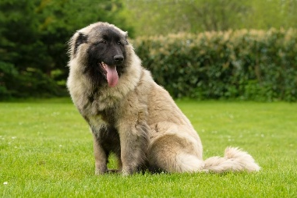
Estrela Mountain Dogs are large hairy dogs, bred as livestock guardians, and indigenous to the Serra da Estrela mountain range in central Portugal They are surprisingly good housedogs, and believed to be one of Portugal’s oldest breeds. Estrelas (‘Stars’) are intelligent, alert and possess a strong sense of duty. In the past these dogs have been used to protect flocks from Iberian wolves, which are themselves a protective species.
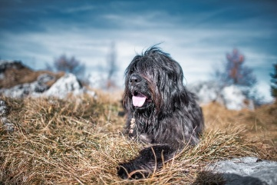
Portuguese Sheepdogs are a medium-sized breed of dog of the herding type and one of the indigenous regional dogs of the country. The breed is nicknamed ‘cao macaco’ (monkey dog) for its furry appearance and lively attitude. Their lack of undercoat makes them less resistant to extreme weather as a working dog. In the past the breed was used for herding cows, sheep, goats, and horses in the Serra de Aires in the Alentejo region.
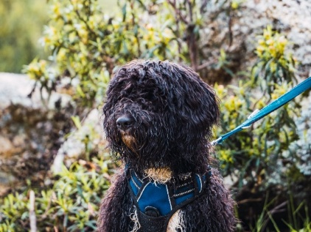
The Portuguese Water Dog, also known as the Algarvian Water Dog, or Portuguese Fishing Dog is a breed originating from the Algarve. They were taught to herd fish into fishermen’s nets, retrieve lost tackle or broken nets, or act as couriers from ship to ship, or ship to shore. In general, they are black but some are brown or white. An intelligent breed, obedient and brave. They have a single-layered coat that doesn’t shed, perfect for those with allergies. The dog was the chosen breed of US President Barack Obama, who had two of them.
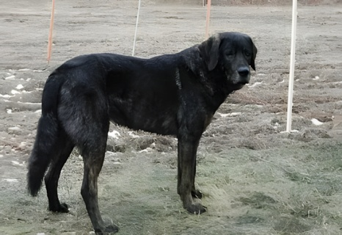
Castro Laboreiro dogs – also known as Portuguese Cattle or Watch dogs – were bred for livestock guarding and originate from Castro Laboreiro, a small townin the northern mountains of the country, near the Peneda-Geres National Park. It is a loyal and courageous guard dog. Although devoted and intelligent, it possesses a strong territorial personality. The modern breed is descended from a very old livestock guardians, which worked with livestock herders in the mountains, defending against wolves.
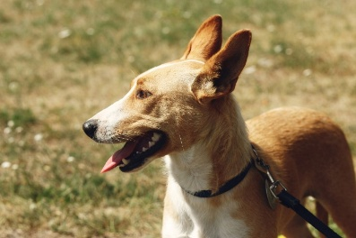
The Podengo or Portuguese Warren Hound – the national sighthound – is a bat-eared dog with almond-shaped eyes and an affinity for game. As a breed, the Podengo is divided into three size categories: small, medium and large. The coat is either short and smooth or long and wiry. They are the result of selective breeding for hunting , particularly rabbits.
In the Middle Ages, hunting dogs in Portugal were collectively known as Podengos de Mostra (‘pointers’) and used to kill rats in sea-going sailing ships.
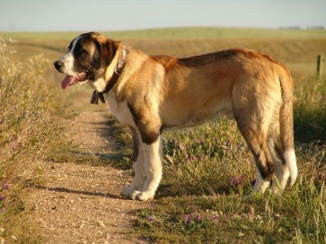
Rafeiro Alentejano – also known as the Portuguese Mastiff – is a powerfull flock guardian dog originating from the Alentejo region. They come in many colours, but always with white markings. In southern Portugal, they were used as livestock and estate guardian, especially at night. They are calm, protective and independent. A Portuguese dog of this breed – named Bobi – was initially confirmed by Guiness World Records to be the oldest dog ever (nearly 32 years) but after further investigation by veterinary surgeons, the records were annulled.
Enjoy your week Aproveite a semana (pic Ptnews, Envato elements, Wiki)